
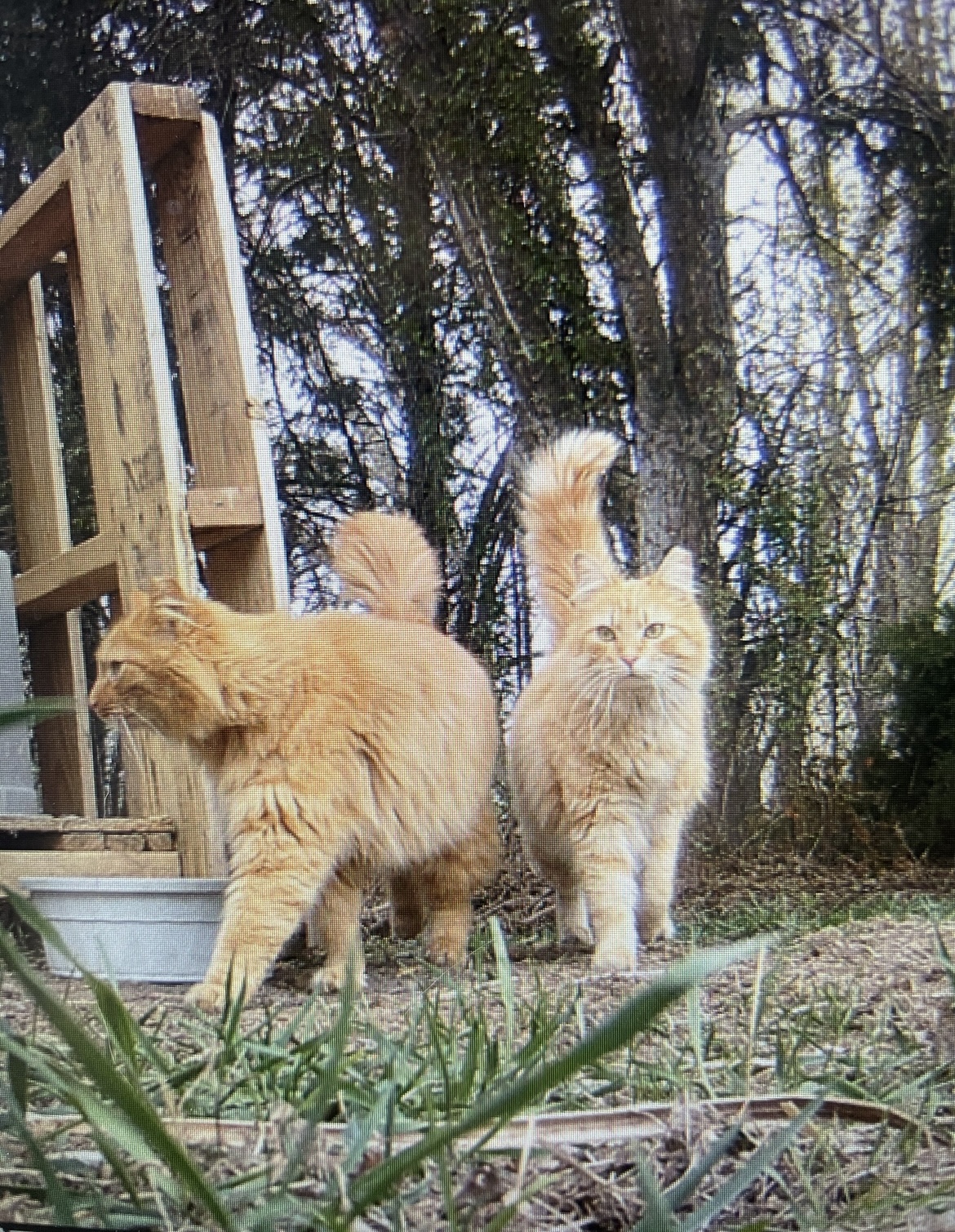
What is TNR (Trap-Neuter-Return)?
TNR is a humane approach to managing community cat populations. Cats are humanely trapped, spayed/neutered, vaccinated, and returned to their outdoor homes. This helps reduce the number of new kittens born and improves the cats’ health and wellbeing.
Why is TNR important?
TNR helps reduce overpopulation, minimizes the spread of disease, and allows community cats to live healthier lives. It also prevents the cycle of reproduction, which leads to fewer cats in shelters and more resources for adoptable cats.
What is a community cat?
Community cats, also called feral or stray cats, are cats who live outdoors and may not be socialized to humans. Some were born outdoors, while others were once pets who became lost or abandoned.
Will TNR stop cats from fighting and yowling?
Yes, neutered cats are less likely to fight, roam, or engage in mating-related behaviors like yowling, which helps create a more peaceful environment for both cats and humans.
How can I help with TNR in my area?
You can volunteer with local organizations, donate to organizations like ours, or simply help spread the word about the importance of TNR and community cat colonies.
What should I feed a community cat?
Both wet and dry cat food are suitable, as they provide essential nutrients for the cats’ health. Wet food is especially helpful for hydration and older cats.
Is it safe to feed community cats?
Yes! Feeding community cats helps them stay healthy, especially in cold or harsh weather. It’s best to establish a regular feeding schedule and provide clean, fresh water daily.
Should community cats be brought indoors or put up for adoption?
Many community cats are not socialized to live indoors and may experience stress in an enclosed environment. TNR allows them to live safely in their familiar outdoor homes. Friendly cats and young kittens may be adoptable.
How can I build a shelter for community cats?
There are simple, affordable shelter options you can make using materials like plastic storage bins, straw, and insulation.
What should I do if I find kittens outside?
Before intervening, observe from a distance to see if the mother returns, as she is likely caring for them. If the kittens are in danger or the mother doesn’t return, contact a local rescue or shelter for guidance.
Are community cats a health risk to people or pets?
Community cats typically avoid humans and are not a risk to public health. Cats in a managed TNR program are vaccinated, which helps reduce any risk of disease.
How can I get involved with TNR and community cat care?
There are many ways to get involved! You can volunteer to help with trapping, transport, or feeding, Reach out to learn more about our current volunteer opportunities.
How can I help if I can’t volunteer in person?
There are several ways to support community cats remotely, such as donating supplies, helping spread awareness, and sponsoring a cat’s spay/neuter or food costs. Every bit helps!
Do you offer training for volunteers?
Absolutely! We are happy to train and lend out traps for volunteers who want to learn about TNR, feeding routines, shelter construction, and other aspects of community cat care. No prior experience is necessary—just a willingness to help.
What do I do if I am moving and care for community cats?
It is best to ask nearby neighbors to take over the colony for you and continue feeding and monitoring. Make sure they know the importance of keeping them on a regular feeding schedule, watching for newcomers and injuries. These cats are relying on you to make sure there is someone new to provide for them. It is inhumane to just stop feeding. Most will starve and die. Yes, there are rodents but not nearly enough to feed all the starving cats in your area.
What to do if I am moving and want to relocate the cats with me?
Relocation is VERY stressful on feral/community cats but we are grateful you are taking them with you. For a successful relocation, please follow the steps carefully as every step is extremely important.
Acclimation Period in Enclosure:
Size and Duration: Set up a secure enclosure that measures at least 8×8 feet and can be covered to prevent weather elements, even for just two cats. If you are relocating more than two cats, the enclosure should be larger. This enclosure should be spacious enough to allow normal behavior and easy movement.
Importance: Keep the cats in this enclosure for a minimum of 4 weeks, ideally 6-8 weeks. This period is crucial for helping them recognize the new area as home, significantly reducing the risk of them trying to return to their original territory, getting lost and starving.
Secure Access for Care: The enclosure must be designed to allow caretakers to enter and exit for feeding and maintenance (like scooping litter) without letting the cats escape. The design should include double-door systems or a secure vestibule to prevent escapes.
Dangers of Escaping: If a cat escapes during the acclimation period, it may attempt to return to its original territory, facing dangers such as traffic, unfamiliar predators, and the challenge of navigating unknown areas without access to food or safe shelter.
Monitor and Maintain: Carefully monitor the cats following their release to ensure they adjust well to their new environment. Consistent care by the caretaker is crucial during this transition.
Here is an example of a secure setup for relocating feral and community cats.

Can I adopt a community cat?
While many community cats are not suited to indoor life, some are friendly and adoptable. We assess each cat’s personality to determine if they’re a candidate for adoption or best suited to outdoor life.
Can I donate to help community cats?
Yes, donations are essential to our work! You can donate funds, cat food, or supplies directly to help us feed, spay/neuter, and shelter these cats. Every contribution supports our mission and helps local community cats.
What supplies are most needed for community cats?
Our greatest needs include dry and wet cat food. Donations of these supplies are always welcome!
How do I know if an outside is a community cat or feral?
Determining if a cat is feral or a community cat involves observing their behavior, appearance, and interactions with humans:
Feral Cats & Community Cats:
- Avoid human contact and are not socialized.
- Likely to hide, or run away when approached.
- Active mostly at night and avoid busy areas during the day.
- Often live in colonies.
- May show some comfort around people that are feeding them for a while.
Key Indicator:
Both feral and community cats that have been spayed or neutered through TNR (Trap-Neuter-Return) will have their left ear tipped—a small, flat cut across the top of the ear. This is a universal sign indicating the cat has been fixed and vaccinated. By observing their behavior and looking for an ear tip, you can better determine whether the cat is feral or a community cat. Regardless of their status, they all deserve proper care and compassion.
Are community cats protected in the state of Utah?
In Utah, community cats—defined as feral or free-roaming cats without visible owner identification that have been sterilized, vaccinated, and ear-tipped—are not granted specific protections under state law. However, the Utah Community Cat Act provides certain exemptions and guidelines for their management:
- Exemptions: Community cats are exempt from licensing requirements and feeding bans.
- Shelter Release: Animal shelters may release community cats to sponsors operating community cat programs before the standard five-day holding period.
- Custody: Community cat sponsors or caretakers do not have legal custody of these cats, as defined in Section 76-9-301.
While these provisions facilitate the management of community cats, they do not equate to legal protection. Local ordinances may vary, and not all municipalities participate in Trap-Neuter-Return (TNR) programs. For instance, Draper does not engage in any TNR initiatives.