
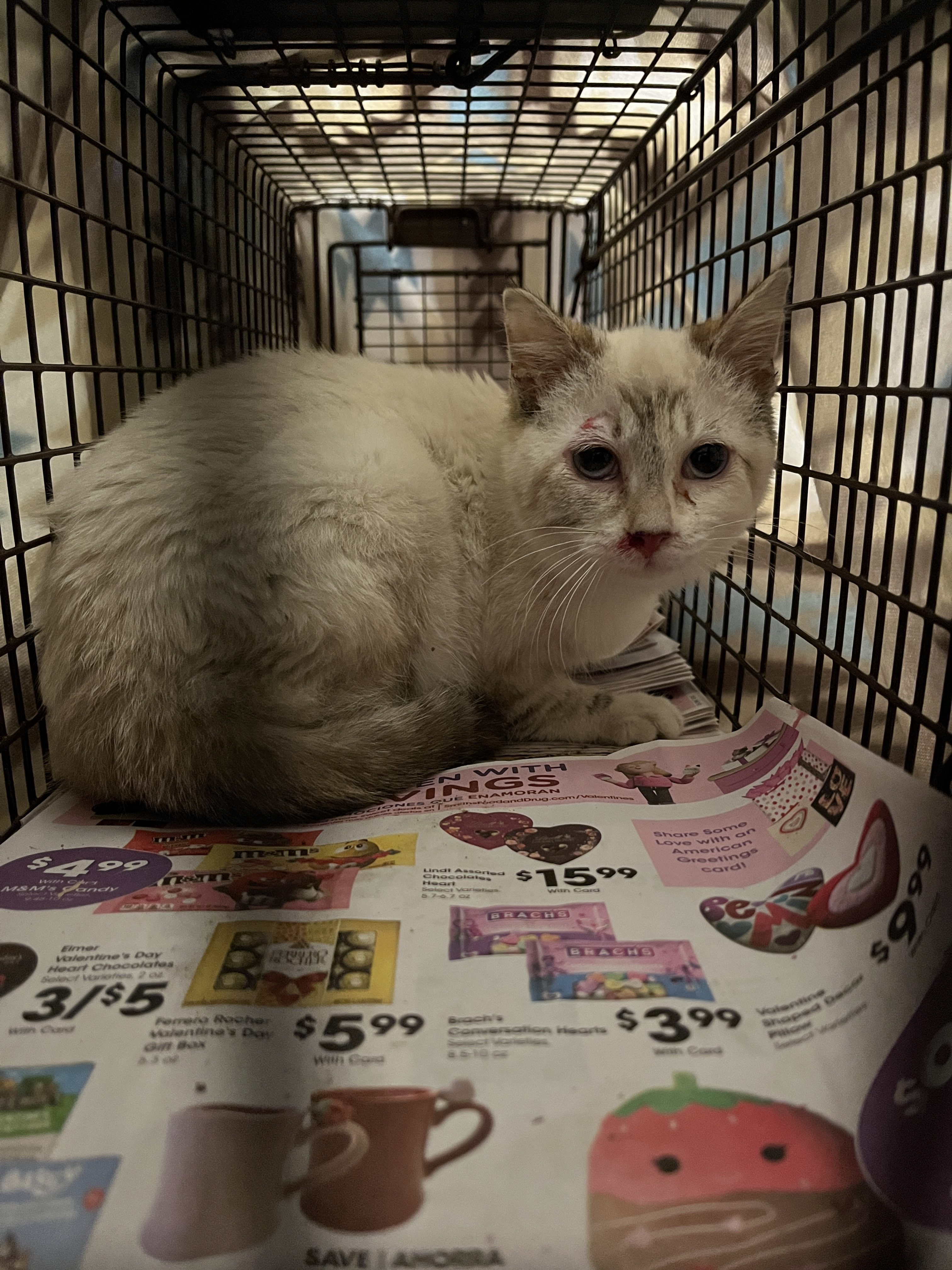
Caring for feral and community cats presents unique challenges and responsibilities, not least of which is ensuring they receive proper veterinary care. For many people, the thought of interfacing with veterinarians on behalf of these cats can be intimidating. However, advocating for the specific needs of feral cats is not just important, it’s essential.
Understanding the Need for Advocacy
Feral cats are not like domesticated house cats. They have different health profiles, behaviors, and needs. For instance, a feral cat’s stress levels in a veterinary environment can be significantly higher than a typical pet cat, which can affect their recovery from surgery and their overall health during a the visit. As caregivers and advocates, it’s crucial that we communicate effectively with veterinary professionals about the best practices of caring for feral cats.
While veterinarians are experts in animal health, most are not familiar with the best practices for treating feral cats. It’s here that our role shifts from passive caregivers to active advocates. By sharing resources and guidelines specific to feral cat care, we can help create a safer and more effective environment for these procedures. By standing as informed advocates, not only do we enhance the welfare of these animals, but we also support the veterinarians who care for them, fostering a community of compassion and understanding. I recommend sharing the link to Protocols: Spay and Neuter Surgery by Alley Cat Allies
Best Practices for Veterinarians
- Prior to surgery, always sedate a community cat while in the trap. Community cats are unsocialized to humans and should be sedated in the trap for the safety of your staff and the cat.
- Isolator (also known as a trap divider) is a device that looks like a large pick or comb. Insert the isolator into the top of a trap or cage to force the cat into a small portion of the cage for sedation. To safely anesthetize the cat, do not remove her from her humane trap. Instead, administer the anesthesia through the trap wire. You can use a trap divider to keep the cat in a small section of the trap so you can successfully inject her.
- Rabies vaccines should be administered as mandated by state regulations. Alley Cat Allies encourages using the three-year vaccine for adult community cats.
- Once the cat is under anesthesia, perform a full physical examination while determining the sex of the cat.
- Follow the Anesthesia protocol for feral cats
- After TKX has been administered, leave the cat in her trap until she is fully unconscious, with trained observers monitoring her continually. Conscious cats should never be taken out of traps for the safety of the cat and the clinic personnel. Once surgery is finished, the cat should be returned to her trap before she regains consciousness.
- Dissolvable sutures must be used to eliminate the need for a follow-up visit to remove them. Trapping a community cat for a second time is not only very stressful for her, it can also be exceedingly difficult if she has become trap-savvy. That is why it is critical to implement protocols, like use of dissolvable sutures, to avoid need for a second clinic visit.
- Eartip cats while they are still under anesthesia. Eartipping is an effective and universally accepted method to identify a spayed or neutered and vaccinated community cat.
- Learn safe techniques to spay pregnant or lactating females that can mitigate the risk of complications. Because it is difficult to trap a cat a second time, Alley Cat Allies believes that the benefits outweigh the risks when spaying pregnant or lactating females. After spaying a pregnant female, administer 150 ml subcutaneous fluids before returning her to her trap. Be sure to keep her warm while recovering. If the kittens are near-term, euthanasia solution should be injected into the uterus after it has been removed. While the decision to spay a pregnant female is a difficult one, remember that the goal of a spay and neuter program is to reduce the number of kittens.
- Keep in mind the weather and season when treating community cats. Because community cats live outdoors, their treatment in particularly hot or cold weather must be taken into account. For example, in cold weather, groomers should shave less fur for surgery preparation.
If you’re feeling inspired to learn more about how you can help feral and community cats, or if you want resources to share with your local veterinarians, visit Feed & Fix Foundation. Together, we can make a difference one cat at a time!
Leave a Reply