
Shorter days and cooler nights change more than the scenery. They change how outdoor and community cats move, where they sleep, and what dangers they run into. Here’s what to watch for as fall settles in.
Check Under Cars Before You Drive
As temperatures drop, cats look for warmth anywhere they can find it, and a recently parked car is one of the best heat sources around. Cats will climb up into wheel wells or curl up on top of a warm engine to stay warm overnight.
Before starting your car this time of year:
- Bang on the hood a few times or honk the horn before starting the engine
- Take a quick look underneath if you have the time
- Encourage neighbors and family members to do the same, especially if you feed cats nearby
This one habit, repeated across a neighborhood, prevents a lot of entirely avoidable injuries every fall.
Watch Out for Antifreeze
Fall is prime season for car maintenance, which means antifreeze is more likely to end up on driveways, garage floors, and street gutters. Antifreeze has a sweet taste that cats find appealing, but even a small amount of ethylene glycol is highly toxic and can be fatal.
If you or a neighbor is topping off a radiator, clean up spills immediately and store containers somewhere cats can’t reach. If you notice a cat suddenly acting disoriented, wobbly, or unusually thirsty, treat it as an emergency and get to a vet right away.
Keep Feeding Times Predictable as Daylight Shrinks
Community cats tend to time their movements around when they feel safest, and that’s often tied to darkness. As sunset creeps earlier, a colony’s whole rhythm can shift.
If you feed on a schedule, consider shifting feeding times earlier along with the sunset so cats aren’t waiting later into the evening, when there may be more foot or car traffic in the area. Keeping mealtimes predictable also makes it easier to notice right away if a regular cat doesn’t show up.
Be Extra Cautious Around Halloween, Especially for Black Cats
Halloween week brings more people outdoors after dark, more firecrackers and loud noises, and unfortunately, an uptick in reports of cats being harassed or worse, particularly black cats caught up in old superstitions.
A few precautions make a real difference:
- If you’re able to, feed a bit earlier than usual in the days around Halloween so cats aren’t out during peak trick-or-treat hours
- Keep an eye out for anyone paying unusual attention to cats in your area
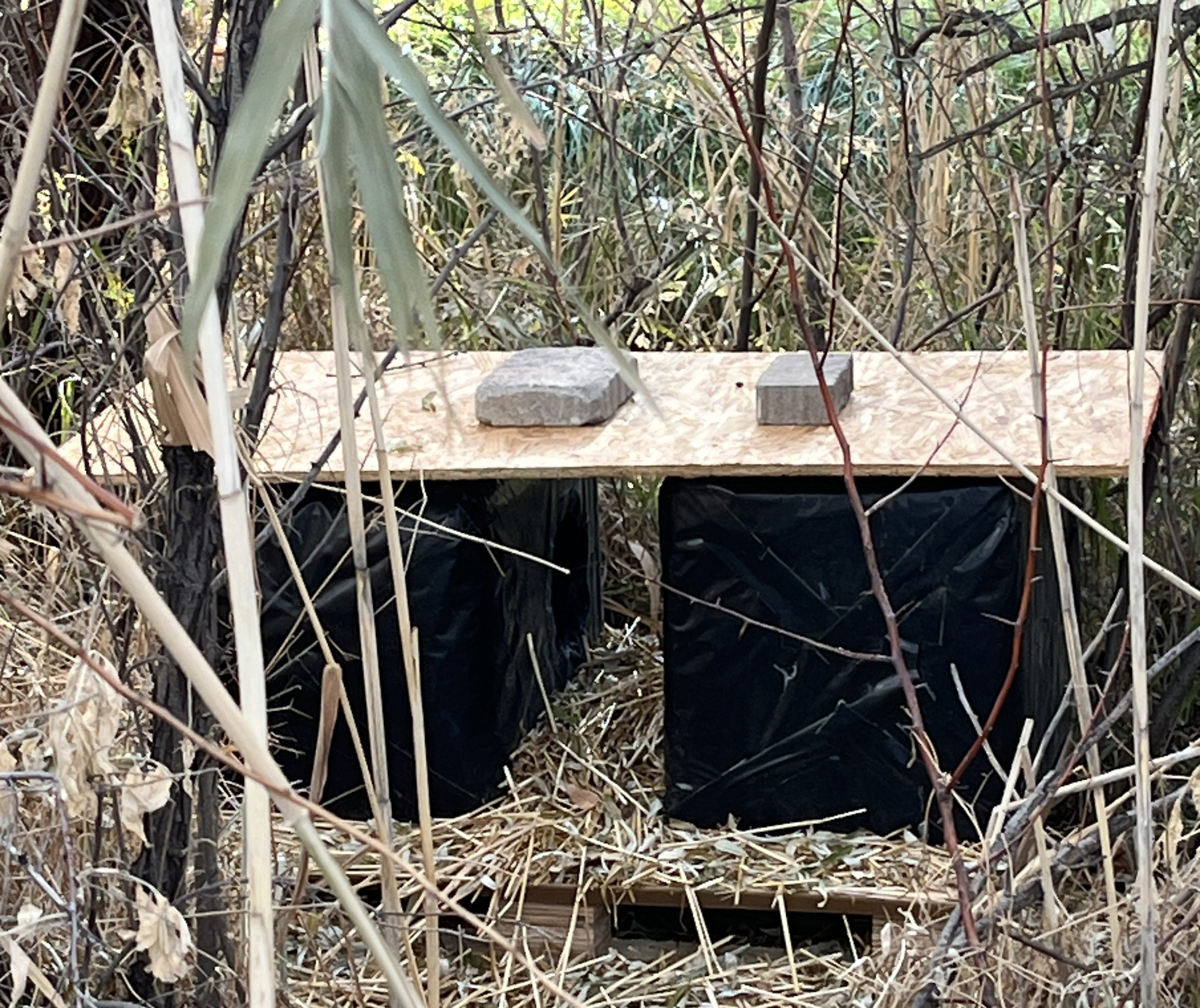
- Make sure shelters are tucked somewhere less visible from the street, not just for warmth but for safety
- Avoid posting a colony’s exact location publicly during this time of year
None of this means the cats need to be moved or hidden away entirely. It just means a little extra awareness during one noisy, unpredictable week goes a long way.
Replace Straw, Shelters and Water Bowls Now
Fall is the right time to start noticing which whether shelters from last year held up over the summer, and replace old straw with fresh so they can keep dry and warm. Black rubber bowls help keep the water from freezing a bit longer and don’t break when banging out the ice.

The common thread through all of this is cats adjust their behavior as the season changes, and the caregivers who adjust alongside them are the ones who catch problems early.
For more on caring for community cats, visit our community cat resources page.
Leave a Reply